
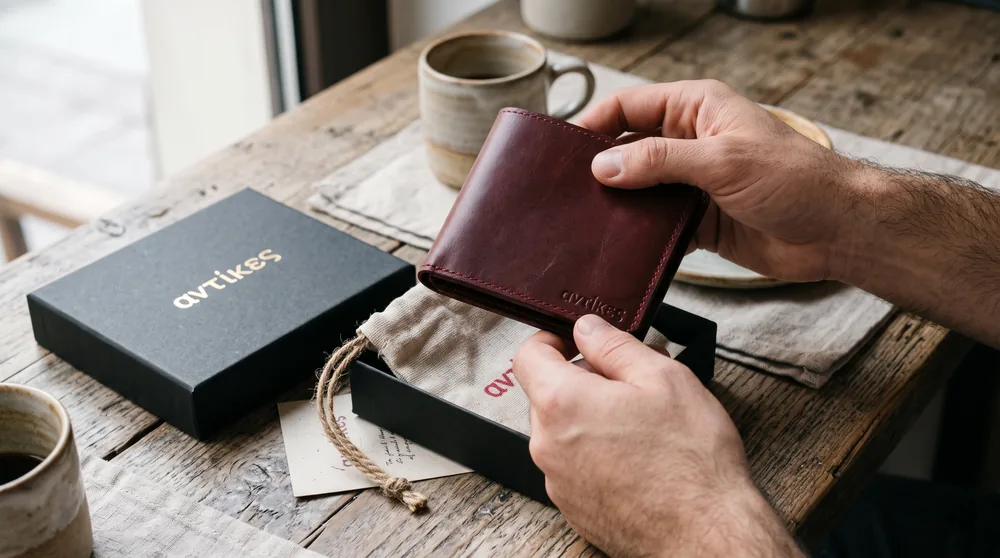
Why leather gets fungus in the rains
Leather is a natural material. It takes in moisture from humid air, and the oils and proteins in it can feed mould and mildew when it stays damp. A closed cupboard or a plastic bag traps that moisture, so spots can appear within days. The first signs are a musty smell, a white or greenish powdery film and dull patches.
Before the monsoon starts
- Clean and dry. Wipe each piece with a soft, dry cloth to remove dust and sweat, which mould feeds on.
- Condition lightly. Rub in a very thin layer of leather conditioner, then leave it to absorb. Too much oil or cream can leave a surface that mould likes, so less is better.
- Check your storage. Pick a cupboard or shelf with some airflow, away from outside walls and bathrooms.
Store leather the right way
- Keep leather in a cotton cloth bag or dust bag. Avoid plastic, which traps damp air.
- Do not stack heavy items on top, and give each piece a little space.
- Put a silica gel pack or other moisture absorber in the cupboard, not touching the leather, and replace or recharge it as directed.
- Stuff bags with clean paper or a cloth so they keep their shape.
- Take items out and air them in a dry, shaded room every week or two.
If your leather gets wet
Pat it dry with a soft cloth straight away. Do not use a hair dryer, heater or direct sun, because heat makes leather stiff and can crack it. Stuff a wallet or bag with clean white paper or cloth, change it when it gets damp, and let the leather dry slowly in the shade with air moving around it. Once it is fully dry, add a very light coat of conditioner.
If you see mould
Move the piece away from your other things first. Brush off the loose powder with a soft brush, ideally outdoors. Then wipe the area with a soft cloth lightly dampened with a mix of equal parts water and white vinegar, and test a hidden spot first. Dry the piece fully in the shade, condition it lightly, and check it again after a few days. If the mould is widespread, deep in the leather or keeps coming back, take it to a leather care specialist.
Wallets, bags and journals
Wallets: empty the cards and papers now and then, and open the wallet flat to let air in. Do not keep a damp wallet in a pocket or bag.
Bags: keep them stuffed and hanging or upright, never on the floor.
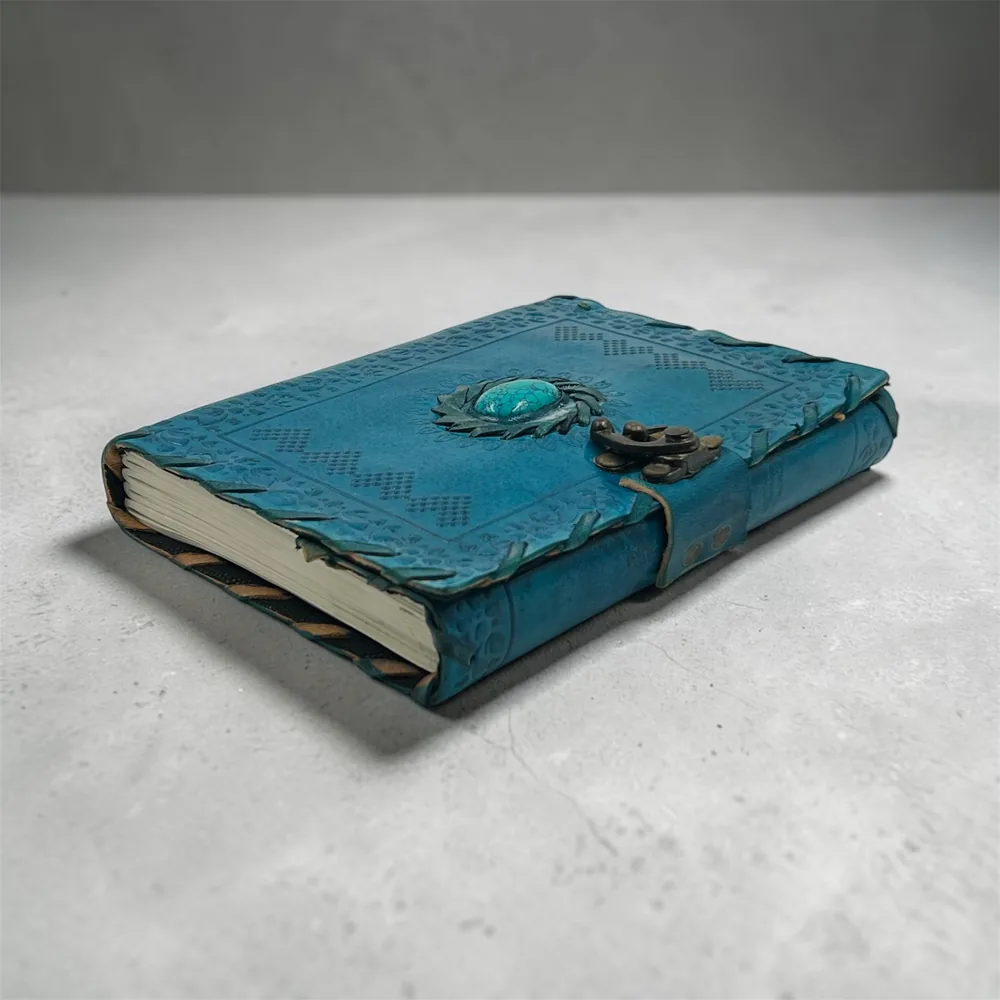
Journals: paper takes in moisture as well, so store them upright in a dry spot with a moisture absorber nearby. Damp air can make the pages ripple.
Goat, buff and calf leather
The same rules apply to every leather. In general, soft goat leather takes in moisture quickly, thick buff leather takes longer to dry, and smooth calf leather shows water marks more easily, so wipe it dry soon after rain. Avtikes leather goods are made from full-grain leather, which lasts for years with simple care like this.
Humid climates elsewhere
The same steps work in any humid place, such as coastal and tropical regions. If your home stays damp all year, a dehumidifier, regular airing and good storage will protect leather in every season, not only in the monsoon.